

Know the Causes of Your Hearing Loss and What Can Be Done About It

Causes of Hearing Loss

Causes of Hearing Loss

Hearing loss can happen for many different reasons. For some people, hearing changes gradually over many years. For others, hearing difficulties may appear after an illness, injury, medication, repeated noise exposure, or a problem affecting the ear itself.

Understanding what is causing your hearing loss is an important first step toward determining what can be done about it.

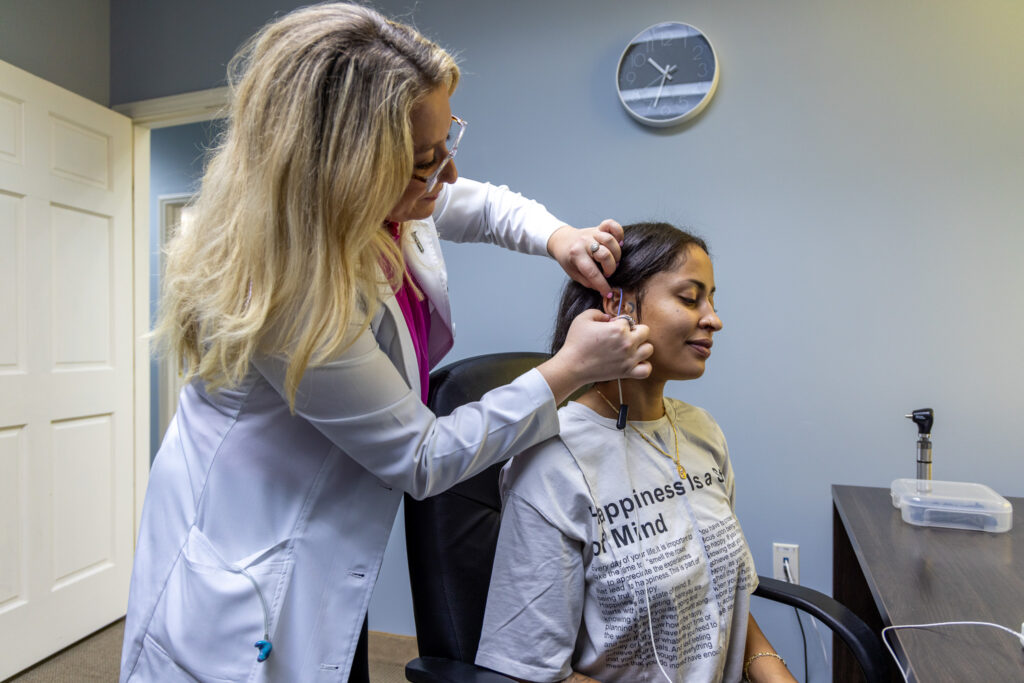
At Now Hear This®, our Doctors of Audiology take a comprehensive approach to evaluating your hearing. We look beyond whether you can simply hear a sound and work to understand the type and degree of hearing loss you have, how well you understand speech, and how your hearing is affecting you in everyday situations.

Two Main Types of Hearing Loss

While there are several types of hearing loss, many causes fall into two primary categories: conductive hearing loss and sensorineural hearing loss.

Conductive Hearing Loss

Occurs when sound has difficulty traveling through the outer or middle ear to reach the inner ear.

Sensorineural Hearing Loss

Occurs when there is damage to the inner ear—particularly the cochlea—or to the auditory pathways responsible for carrying sound information toward the brain.

Conductive Hearing Loss Causes

Conductive hearing loss occurs when sound has difficulty traveling through the outer or middle ear to reach the inner ear. In other words, the inner ear may still be capable of detecting sound, but something is interfering with the sound’s ability to reach it efficiently.

People with conductive hearing loss may describe sounds as muffled, distant, or as though their ears are plugged.

Ear Infections

Ear infections can cause fluid to accumulate behind the eardrum. That fluid interferes with the normal movement of the eardrum and middle-ear structures, making it more difficult for sound to travel through the ear.
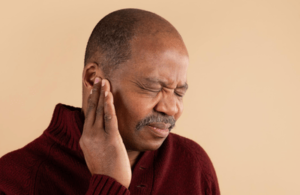
Eustachian Tube Dysfunction

The Eustachian tube connects the middle ear to the back of the throat and helps regulate pressure within the ear. A blocked tube can cause muffled hearing, ear fullness, and discomfort.
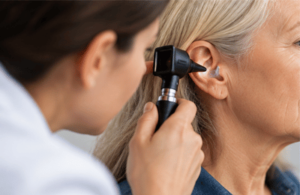
Earwax Impaction

Too much earwax can partially or completely block the ear canal and prevent sound from reaching the eardrum properly. An earwax blockage can cause reduced or muffled hearing and may sometimes contribute to ear fullness, discomfort, or tinnitus.

Otosclerosis

Otosclerosis is a condition involving abnormal bone remodeling within the middle ear. When the stapes (tiny bones responsible for transmitting sound vibrations from the eardrum toward the inner ear) becomes less mobile, sound cannot travel through the middle ear as effectively, resulting in conductive hearing loss.
Sensorineural Hearing Loss Causes

Sensorineural hearing loss is the most common general type of permanent hearing loss. It occurs when there is damage to the inner ear or the auditory pathways that carry sound to the brain.

Aged Related Hearing Loss

Develops gradually over time and typically affects higher-pitched sounds and speech understanding.

Noise-Induced Hearing Loss

Repeated exposure to loud sounds can permanently damage the delicate hair cells inside the inner ear.
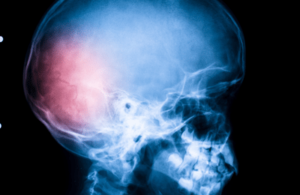
Head Trauma

A head injury can damage the inner ear, hearing nerve, or areas of the brain involved in hearing.

Ototoxic Medications

Some medications can damage the inner ear, leading to hearing loss, tinnitus, or balance problems.

Genetic Hearing Loss

Some forms of hearing loss are inherited and may be present at birth or develop later in life.
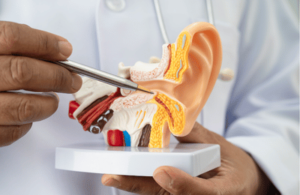
Ménière's Disease

An inner ear disorder that can cause fluctuating hearing loss, dizziness, tinnitus, and a feeling of fullness in the ear.
What About Mixed Hearing Loss?

Not every hearing loss fits entirely into one category.

Mixed hearing loss occurs when a person has both conductive and sensorineural components. For example, someone may already have permanent age-related inner-ear hearing loss and later develop middle-ear fluid or another conductive problem.

Because different parts of the auditory system may be involved, identifying the type of hearing loss is essential before determining the right treatment approach.

At Now Hear This®, our Doctors of Audiology use comprehensive diagnostic testing to better understand your hearing, including how well you understand speech and how you perform in challenging listening environments. When hearing aids are appropriate, we use advanced fitting and verification methods—including Real Ear Measurements—to customize your devices to your individual hearing needs.

Our goal isn’t simply to make sounds louder.

It’s to help you hear and understand as clearly as possible in the moments that matter.

If conversations have become harder to follow, people seem to mumble, or you’re simply wondering whether your hearing has changed, don’t wait until hearing loss becomes a bigger obstacle.

Schedule a hearing evaluation with the Doctors of Audiology at Now Hear This® in Raleigh, NC.

Take Action on Your Hearing