Diabetes and Hearing Loss: What’s the Connection?
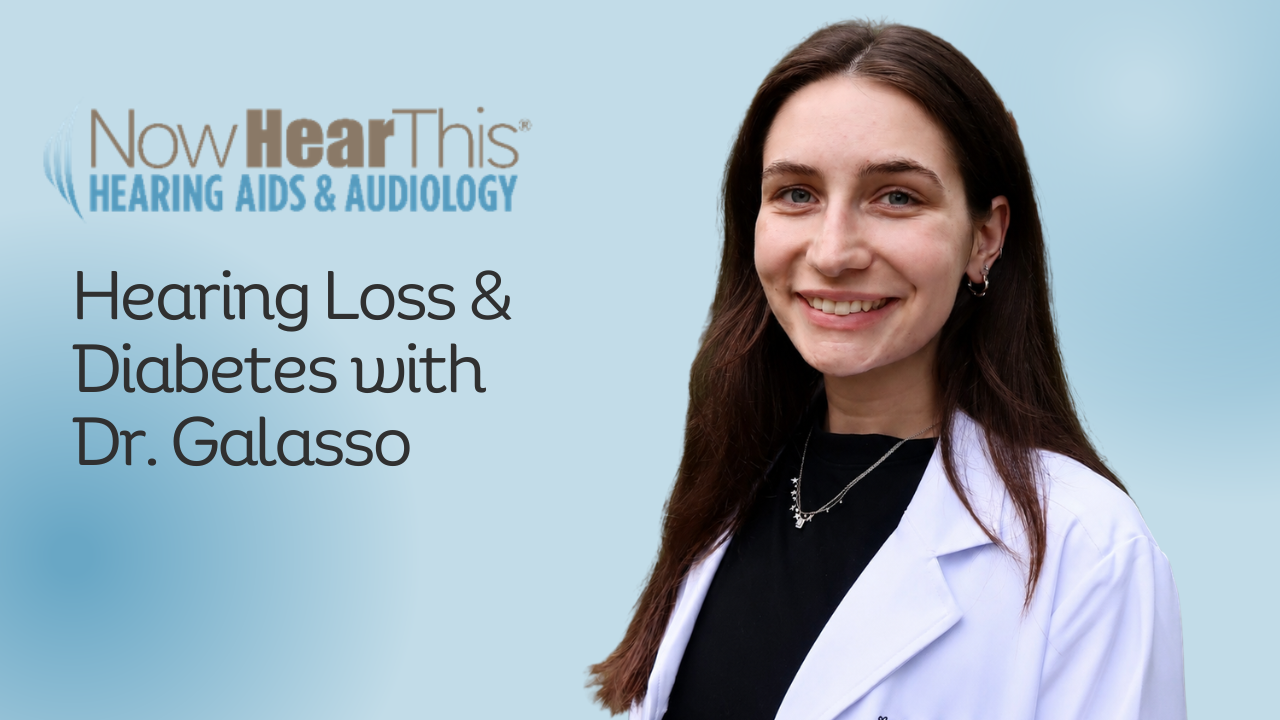
Diabetes affects many parts of the body, but did you know it may also affect your hearing? Research has found a connection between diabetes and an increased risk of hearing loss. While having diabetes does not mean you will automatically develop hearing loss, it is an important risk factor to be aware of.
How Can Diabetes Affect Your Hearing?
When diabetes is unmanaged or untreated, it can lead to higher-than-normal blood sugar levels. Over time, elevated blood sugar can affect the body’s blood vessels and nerves, including the delicate structures responsible for hearing.
The cochlea, the organ of hearing located in the inner ear, contains very small blood vessels and relies on a healthy blood supply to function properly. Changes that affect blood flow may potentially damage these delicate structures and contribute to hearing difficulties.
Diabetes isn’t the only health condition that can affect hearing. Other conditions that impact the body’s blood vessels, such as high blood pressure, may also increase the risk of hearing loss.
Does Having Diabetes Mean I Will Have Hearing Loss?
Not necessarily.
Having diabetes does not mean that you will automatically develop hearing loss. However, diabetes is a recognized risk factor that may increase your likelihood of developing hearing difficulties over time.
That’s why it’s important to be proactive about your hearing health.
Establish a Baseline Hearing Test
If you have diabetes, one of the best things you can do is establish a baseline hearing evaluation with an audiologist. A baseline gives your audiologist a starting point to compare against future hearing tests.
Your hearing can be influenced by many different factors throughout your lifetime. Having previous hearing test results allows your audiologist to monitor changes over time and determine whether your hearing has remained stable or changed.
You don’t necessarily need to wait until you notice a problem.
The earlier you identify a change in your hearing, the sooner you can address it.
Signs of Hearing Loss to Watch For
Hearing loss doesn’t always sound like silence or obviously “bad hearing.” In fact, many people first notice more subtle changes.
Common signs of hearing loss can include:
- Difficulty understanding conversations when there is background noise
- Feeling like other people are mumbling
- Frequently asking people to repeat themselves
- Feeling like voices sound muffled or as though you’re hearing “underwater”
- Having difficulty following conversations in restaurants or groups
- Increasing the volume on the television
- Relying more heavily on lip reading or watching people’s faces when they speak
If you are experiencing any of these symptoms, a comprehensive hearing evaluation with an audiologist can help determine whether hearing loss may be contributing.
Why Early Hearing Care Matters
Hearing loss can affect much more than your ability to hear individual words. It can influence communication, relationships, independence, and your overall quality of life.
If hearing loss is identified, your audiologist can discuss options based on your individual hearing needs and lifestyle. Depending on the type and severity of hearing loss, treatment may include hearing aids, assistive listening technology, communication strategies, or other hearing solutions.
At Now Hear This® Audiology, our Raleigh audiologists take a comprehensive approach to hearing care. We provide thorough hearing evaluations and personalized recommendations designed around each patient’s individual needs.
If you have diabetes—or another condition that may increase your risk of hearing loss—don’t wait until communication becomes difficult to have your hearing checked.
A baseline hearing evaluation today can give you and your audiologist something valuable to look back on in the future.
Learn more about hearing loss and hearing evaluations at Now Hear This® Audiology
This article is for educational purposes and is not a substitute for medical advice. If you have concerns about your hearing, speak with your healthcare provider or audiologist.